The Curator Knew Nothing About Art. That Was the Whole Point.
Photo: Silar, CC BY-SA 4.0, via Wikimedia Commons
Marcus has delivered packages to my studio door maybe two hundred times. He knows me as "the guy who's always covered in paint and signs for boxes fast." That's it. That's the entire relationship.
So when I asked him if he wanted to curate my next gallery night—complete control, no input from me, not even a peek at the paintings before he decided—he laughed for a solid ten seconds and then said the thing that sold me on the whole experiment:
"Man, I got no idea what I'm doing."
Perfect. That was the job description.
Why I Handed a Stranger the Keys
Here's the trap every artist falls into eventually: you spend so long inside your own head that you forget what your work looks like to people who didn't make it. Your friends lie to you. Other artists lie to you politely. Your Instagram followers lie to you with fire emojis.
Marcus had no reason to lie. He had no stake in it. He'd never seen a D.G. Off painting, never heard my music, never browsed the site. When I pitched him the idea on a Tuesday afternoon—he was dropping off a box of stretcher bars—he said yes mostly, I think, because he thought I was joking.
The rules were simple. The show was at a small space downtown, one night only, maybe forty pieces in the flat files and a big empty wall. Marcus would pick what hung, decide where it hung, and set the prices. I signed nothing. I said nothing. I wasn't even allowed in the room while he worked.
Choosing Without Context
The first thing he did was ask me to leave. Smart move, honestly.
I sat in my truck outside the gallery for two hours while a delivery driver with zero art background decided which two years of my life were worth showing. I don't know what I expected him to pick. I know what I hoped he'd pick—the big canvas from last spring, the one I bled over for six weeks.
He didn't pick it.
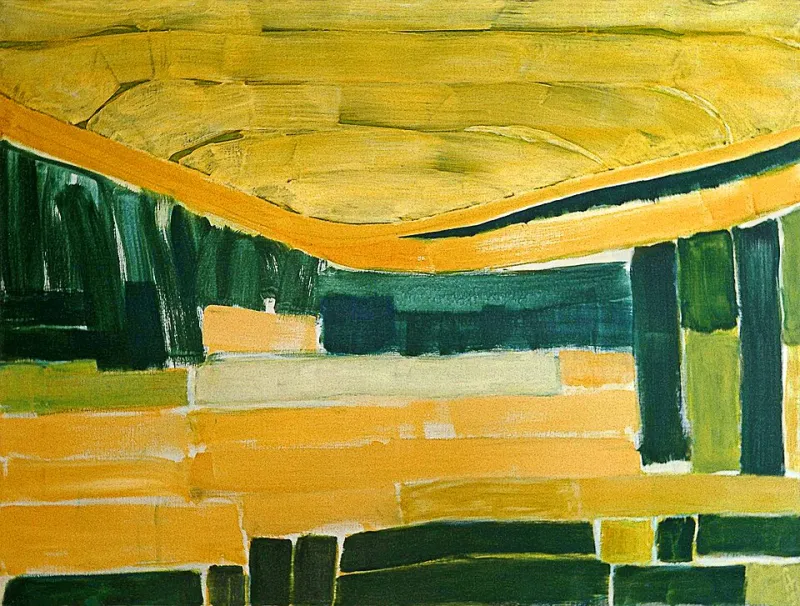
When I finally walked in, the wall told a story I didn't recognize. He'd grouped three small pieces I'd always thought of as throwaways—studies, really, done in a single afternoon each—dead center at eye level. The big canvas leaned against the far wall, unchosen.
"These three," he said, tapping the small ones. "These look like how my neighborhood looks in the morning." He couldn't explain it further. He didn't need to.
The Prices Were Brutal and Correct
Then came the pricing, which was the part I dreaded. Remember, I once let my grandma run my prices and she showed no mercy. I figured a stranger would go easy—slap $50 on everything, be done with it.
Nope. Marcus priced by a logic I've never heard anyone articulate:
- The pieces he liked most got the lowest prices. "So somebody actually takes one home," he said.
- The ones he was lukewarm on got marked high. "If somebody wants the weird one, they can pay for the weird one."
- One painting—my personal favorite of the whole batch—he priced at exactly $0. "That one's not for sale. That one you keep."
I've read a dozen books on art pricing. None of them ever suggested the curator's gut could sort the work into keep, sell, and overcharge accordingly in under an hour. My grandma would've respected it.
What Outsiders Actually See
Here's the thing I keep turning over in my head a week later. Every choice Marcus made was based on something I had no access to—his morning commute, the light in his neighborhood, whatever association fired when he looked at a canvas for eleven seconds. That's how most people encounter art. Not in a white cube with an artist statement. On a wall, in passing, with a life already in progress behind their eyes.
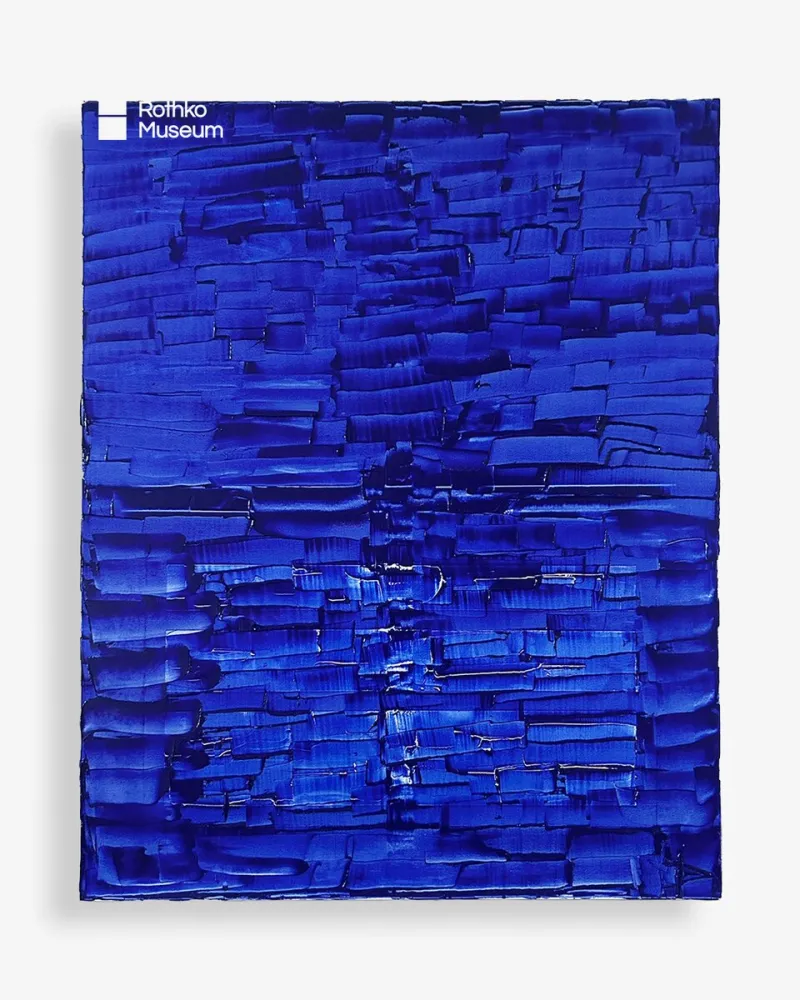
My carefully built narrative—the blue period, the texture experiments, the whole arc I'd constructed—didn't exist for him. He read the work like a stranger at a bus stop reads a billboard. And honestly? His reading was more honest than anything a reviewer has ever written about me.
The show ran one night. Eleven of the fifteen pieces he chose sold. The big canvas—the one I'd have hung center stage—sold two weeks later off my website to a buyer in Ohio who described it as "the weird one in the back of your photos."
Marcus got a cut, a thank-you in the show program, and a painting I'm not allowed to sell. He says the gig was easier than a double shift in December.
Try It With Somebody
I'm not saying fire your gallery or ignore your instincts. I'm saying find one person who has never pretended to care about your work and let them arrange the room. Watch what they touch first. Notice what they skip.
You'll learn more in an afternoon than a year of polite compliments will ever teach you. And if you're lucky, you'll find out that a stranger can look at the thing you made and see your whole neighborhood in it—their neighborhood, technically, but close enough.
Next month I'm thinking about letting my barber mix the colors for a whole canvas. We'll see if he still has a chair when I'm done.