Shuffle Mode Curated My Gallery Night: What 47 Random Songs Did to My Sales
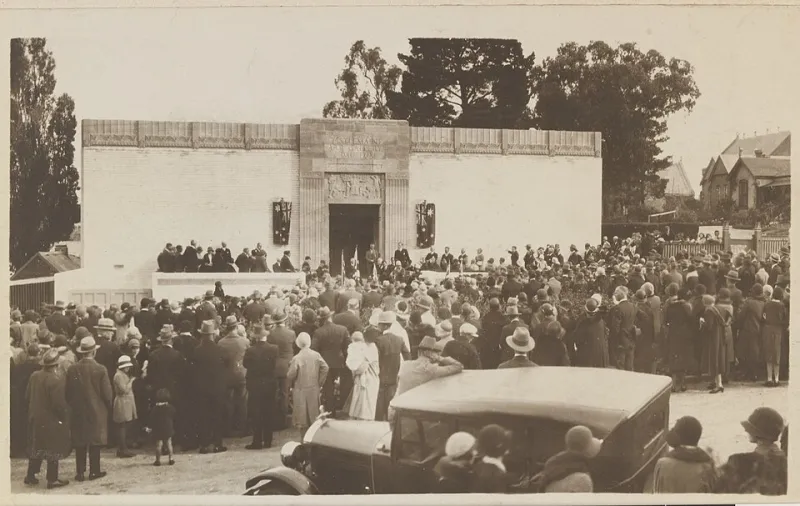
Photo: Unknown authorUnknown author, Public domain, via Wikimedia Commons
Every artist I know obsesses over the same three things at a show: the hang, the lighting, and the cheese situation. (Okay, the cheese is optional, but you get it.) Almost nobody thinks hard about the soundtrack. I used to just throw my own playlist on—obviously—and call it ambiance.
Then last spring, a guy named Marcus, who'd bought a print from me at a craft fair in Lawrence, asked if he could check out my Spotify. "You'd be surprised what's in there," he said. He was right. He was also about to ruin my gallery openings forever, in the best way.
The Deal
Here's the experiment: Marcus got my Spotify login for one week. No instructions, no veto power, no "skip the sad ones." On the night of my show at a rented event space here in Kansas City, he hit shuffle on my entire library—every song, including the embarrassing stuff—and whatever came up, came up. I wasn't allowed to skip. Neither was he.
I want to be clear about how exposed this felt. Your music library is a diary you forgot you were keeping. When a stranger can summon a track you downloaded during a breakup in 2016, in front of people who might buy your work? That's vulnerability with a PA system attached.
What Shuffle Actually Played
The first forty minutes were chaos. A lo-fi beat, then Waylon Jennings, then a Japanese ambient record I don't remember downloading, then—God help me—a Nickelback song that I swear came with the account. People laughed. People stayed. That's the thing nobody tells you: the imperfection was magnetic.
By hour two, something shifted. The shuffle landed on a run of slow, wordless tracks, and I watched a couple stand in front of my largest canvas—a muddy, blue-gray landscape I'd almost painted over—for eleven minutes. Eleven. I timed it. In four previous shows, my average dwell time in front of that piece was maybe ninety seconds.
Music Didn't Sell the Art. It Sold the Staying.
Here's my working theory after the fact: paintings don't get bought by people walking past them. They get bought by people who stop. And nothing stops a body like the right song at the right moment. The gallery equivalent of a grocery store putting bread where you can smell it.
The pieces that moved that night weren't my best work, technically speaking. The big blue-gray landscape sold. So did two small studies that had been sitting in a flat file for a year. What they had in common: they hung in the corner of the room where the sound pooled—where the acoustics happened to be warmest and the shuffle had gone moody.
Meanwhile, my personal favorite, the one I'd built the whole show around, sat unloved next to the speakers blasting that Nickelback song. I'm not bitter. I'm taking notes.
The Setlist Outsold the Paintings
The kicker: at the end of the night, three different people asked me for the playlist. Not a print. Not a commission. The playlist. One woman offered twenty bucks for a link. I gave it away for free because I'm an idiot, but the demand was real and it was louder than anything I'd heard about my brushwork.
That's when it clicked: I'd accidentally built a second product. Cross-sensory framing—sound attached to sight—is the most underrated sales tool an independent artist has, and most of us treat it like an afterthought. Your work already has an emotional temperature. Score it. Let people feel the room you made.
What I'd Do Differently
A few notes for my next show, and maybe yours:
- Curate the shuffle zones, not the songs. I can't control shuffle, but I can control where the speakers are. Sound placement is wall placement.
- Publish the soundtrack. Next time, the playlist drops the same day as the show, on every platform, with the paintings as cover art. One product becomes two.
- Let the crowd hear the mess. The random, unpolished stretches did more for the vibe than any smooth playlist would have. Perfection is wallpaper. Weird is memorable.
Marcus, if you're reading this: you're on the guest list for life, and yes, you can DJ again. But we're deleting the Nickelback from the library first. Some diaries stay closed.