Five Bucks to Eighteen Hundred: A Receipt-Stamped Tour of My Own Growth
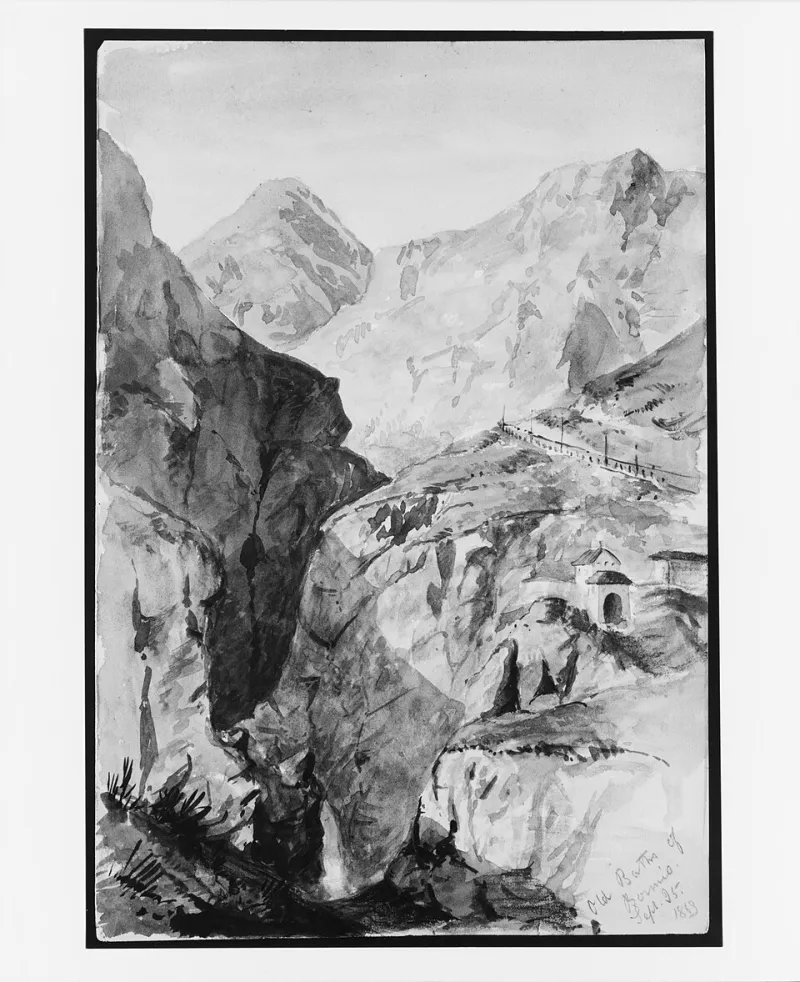
Photo: John Singer Sargent, CC0, via Wikimedia Commons
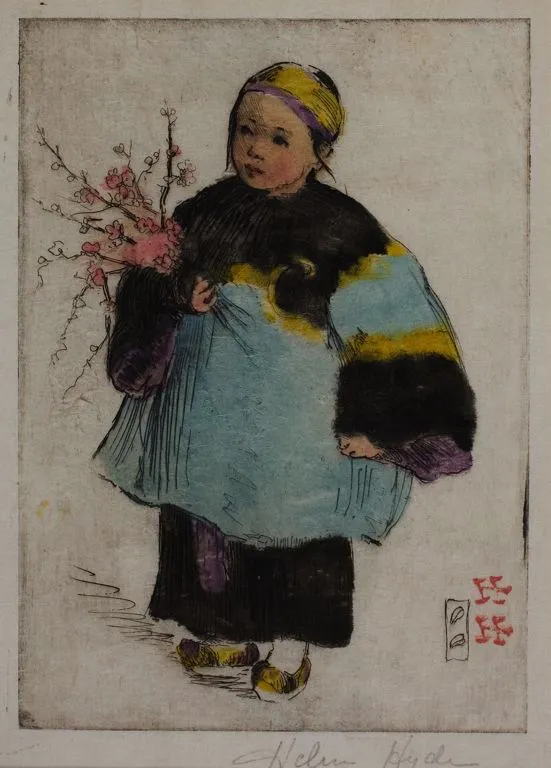
I still have both receipts. Well, "receipt" is generous — the first one is a torn piece of a napkin from a coffee shop in Columbus where a coworker handed me a five-dollar bill for a ballpoint sketch I'd done during my lunch break. The second is a proper invoice from a collector in Austin. One thousand eight hundred dollars.
Same hands. Same brain, roughly. So what happened in between?
I dug through the archives — both physical and digital — and pulled the two pieces side by side. Looking at them together, I can finally articulate what buyers were paying for at each stage. Spoiler: it was never just the drawing.
What That Five Dollars Actually Bought
Let's be honest about the first piece. It was fine. Competent linework, decent proportions, a subject the buyer recognized. What it didn't have was any decision in it that only I would make. It looked like a thousand other sketches on a thousand other lunch breaks.
My coworker wasn't buying art. She was buying a nice moment — a souvenir of a fun lunch, a little something to pin above her desk. Five dollars was the correct price for a souvenir. I wasn't cheated, and she wasn't lucky. The market, even a market of one person holding a crumpled bill, was efficient.
The materials told the same story: a half-dead ballpoint pen and the back of a printed agenda. I hadn't invested in the work because I hadn't invested in myself yet. The output matched the input, almost perfectly.
What the $1,800 Actually Bought
Fast-forward to the recent piece. On the surface: better composition, more deliberate color, materials I chose on purpose instead of whatever was within arm's reach. But technique alone doesn't explain an eighteen-hundred-dollar price tag. Plenty of technically superior artists sell for less.
Here's my honest breakdown of what the buyer paid for:
- A point of view. Every mark in that piece is a decision I can defend. There's a visual language in there that I spent years developing, and you can't get it anywhere else.
- Consistency. The buyer had seen thirty other pieces in the same voice. They weren't gambling on a one-off; they were buying into a body of work.
- Confidence, weirdly. I presented the price without flinching, without a disclaimer, without the phrase "I know it's a lot." That steadiness is part of the product. People can smell hesitation through a screen.
- Proof of care. Archival paper, proper framing consultation, a certificate, shipping handled like the piece mattered. Because it did.
The Middle Part Nobody Photographs
Between those two receipts sits about a decade of unglamorous work, and I want to be clear that the jump wasn't linear. There was a stretch around year three where I was charging sixty dollars a piece and quietly resenting every sale. There was the time I undercharged so badly on a commission that I effectively paid the client to let me work for them.
The turning point wasn't a viral moment or a big break. It was the day I asked myself a genuinely uncomfortable question: if I don't think this is worth more, why would anyone else? Pricing, I've come to believe, is a psychological exercise wearing a math costume.
So I started small. I raised prices by twenty-five percent. Nobody blinked. I did it again. One person blinked, then bought anyway. The floor I'd imagined under my own work turned out to be imaginary — I had built it myself, out of fear, and I could take it down the same way.
What I'd Tell the Guy With the Ballpoint Pen
If I could go back to that Columbus lunch break, I wouldn't tell him to charge more. Five dollars was right for where he was. Instead, I'd tell him this: the five dollars isn't the destination, it's the receipt. Keep the napkin. You're going to want to look at it someday.
And I'd tell him the thing I still have to remind myself of now: the price of the work follows the work, but the belief has to come first. Every material upgrade, every hour of practice, every piece in a consistent voice — all of it compounds. But none of it cashes out until you decide your output deserves a real number attached.
Five bucks to eighteen hundred. Same signature on both. The difference is that now, when I sign it, I mean it.
If you're earlier in the journey — maybe holding your own version of a napkin receipt — I'd love to hear where you're starting from. Drop a comment or reach out through the site. The gap closes faster than you think.