Muddy on Purpose: The Day My Printer Ruined a Painting and Made Me Richer
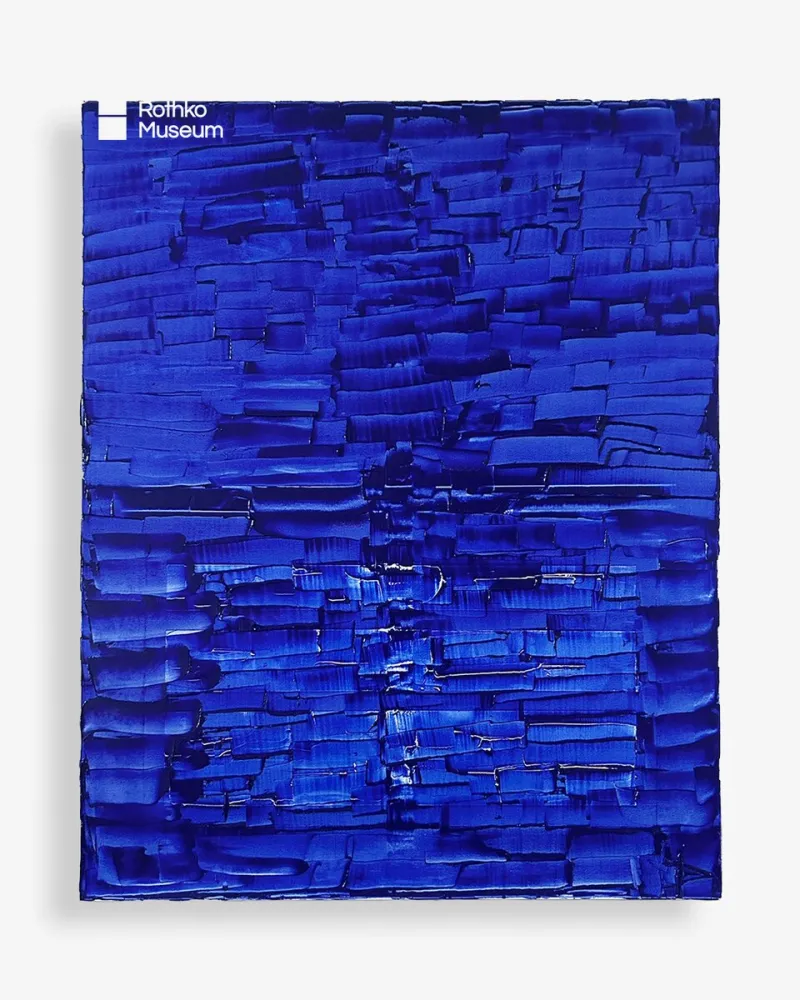
Photo: MichaelDGS2026, CC BY-SA 4.0, via Wikimedia Commons
Let me tell you about the most profitable error of my career. It cost exactly $12, took four minutes to happen, and I didn't notice it for three weeks.
The Setup
A few years back, I finished a painting I genuinely loved—a summery piece full of coral, tangerine, and that specific turquoise you only get when the Gulf water hits the right light. Think Florida postcard energy. I scanned it, prepped the file, and sent it to my print shop for a run of giclées.
Somewhere between my screen and their RIP software, the color profile got mangled. I'd exported the file in the wrong CMYK working space—a cheap, narrow little profile meant for newsprint, not fine art paper. The vivid summer palette collapsed into something else entirely: bruised plums, deep teal, a kind of stormy dusk feeling I never intended.
The proof came back and I remember staring at it thinking, this isn't my painting.
The Three-Week Blind Spot
Here's the embarrassing part. I didn't catch it because I was juggling three commissions and a day job, and the prints went straight into the online shop without a second look. For three weeks, the "wrong" version sat there, listed and live.
And it sold. Then it sold again. Then a customer emailed asking if I had anything else "in that moody dusk series."
Series. I had one painting, and the machine had invented the series for me.
Comparing Notes With Reality
When I finally fixed the profile and re-uploaded the true-color version, I ran a quiet experiment: both versions, same price, same listing format. Over the next two months, the muddy one outsold the original five to one.
Five to one. My intention lost to a glitch by a landslide.
That stung for about a day. Then I started thinking about why. The bright version was pretty, but pretty is a dime a dozen—it looks like every beach-town gallery wall from Key West to Santa Barbara. The accidental version had tension. It looked like a memory of summer rather than summer itself. People don't hang memories of perfect days on their walls. They hang the complicated ones.
The Awkward Confession
Then came the truly uncomfortable part. A repeat collector bought the muddy print as a gift and asked me to "sign the story behind it" on the back—wanted a little note about the inspiration.
So there I was, typing: "Funny story. This is what my painting looks like when a cheap color profile butchers it."
I hedged, I sweated, I wrote three drafts. In the end I went with the truth, softened with humor: the machine had "remixed" my painting and the remix won. She wrote back that she loved it more for that. Said it felt like the painting had a sense of humor. I've since made the glitch story part of the piece's official description, and buyers consistently mention it in reviews.
Honesty, it turns out, is a selling point. People buying from a one-person studio want the human, weird details included.
How to Spot a Happy Mistake Worth Keeping
Not every accident deserves a frame. I've had plenty of errors that were just errors—smudged scans, cropped-out corners, a file that once printed everything slightly green (that one went in the trash). The muddy print passed a few tests that I now run on any surprise result, planned or not:
The squint test. Step back and half-close your eyes. Does the accidental version still hold together as a composition? A glitch that creates mood survives the squint. A glitch that creates mush doesn't.
The stranger test. Show someone who's never seen the original. If they respond to the accident on its own terms—no context, no apology—it's a real piece of work, not a mistake wearing a frame.
The jealousy test. Ask yourself honestly: if another artist had made this on purpose, would you be a little envious? That gut reaction is data.
The repeatability check. Can you study the accident and understand what actually changed? I spent an evening reverse-engineering my profile error, and now I can push my paintings toward that dusk palette deliberately. The mistake became a tool.
Accidents Are Just Research You Didn't Pay For
I've started building deliberate chaos into my process since then. Wrong-color exports on purpose. Playing a track backwards before I decide it's finished. Letting a design sit upside down on the wall for a week. Most of these experiments produce nothing. But every so often, one of them hands me something my conscious brain would never have signed off on.
The lesson I keep relearning in this studio: my taste is real, but it's also a cage. I default to coral and turquoise because I've spent years learning to like them. A $12 software error kicked the door open and showed me there was a whole room I'd never entered.
So the next time your gear, your software, or your own tired hands sabotage your intentions—before you hit undo, take a long look at what the sabotage made. Fix your profile, absolutely. But screenshot the error first.
Some of your best work is currently disguised as a bug.