Sixty Days, One Song, Zero Rules: What Happened When I Let the Internet Set the Price
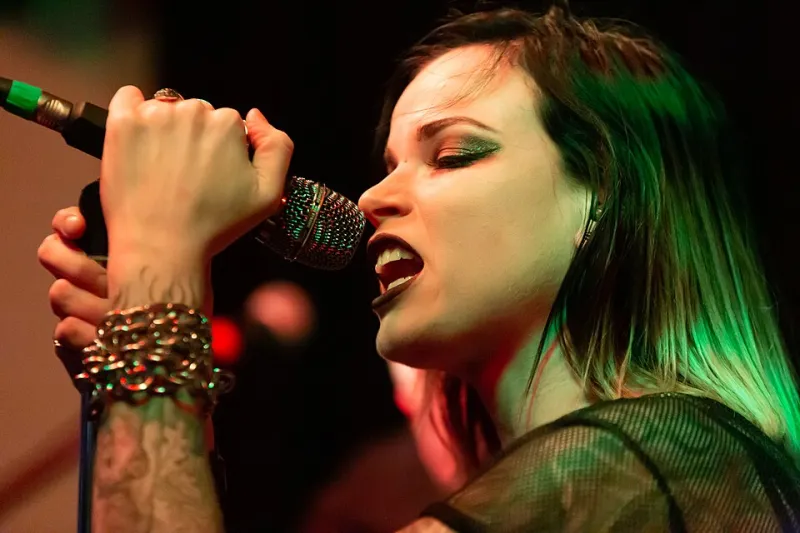
Photo: Steffen Prößdorf, CC BY-SA 4.0, via Wikimedia Commons
I've sold paintings. I've sold murals. I've sold merch that cost me $400 to learn a lesson about. But I'd never sold a song on its own, and I'd definitely never sold one with a price tag that said, essentially, "you pick."
So in late February, I uploaded one track—a slow-burn instrumental I'd been sitting on for a year—to Bandcamp, checked the "let fans pay more if they want" box, left the minimum at zero, and told exactly nobody except my email list and a couple of subreddit posts. Then I waited sixty days.
Here's what happened.
The Numbers, Unvarnished
Over the two-month window, the track was downloaded or streamed on Bandcamp 312 times. Of those, 41 people paid something. That's a conversion rate of about 13%, which for a guy with no label, no playlist placement, and no ads, felt almost embarrassing in a good way.
The payments broke down like this:
- $0.50 to $1: 14 buyers. The "polite tip" tier.
- $1 to $5: 17 buyers. Solidly in line with what most independent tracks go for.
- $5 to $10: 7 buyers. These are the people who restored my faith in humanity a little.
- Over $10: 3 buyers. One of them paid $25. For one song. I stared at that notification longer than I'd like to admit.
Total take: $287.63. Bandcamp's cut brought it to roughly $252 in my pocket. Compare that to streaming, where that same track would need somewhere north of 60,000 plays to earn the same money. Sixty thousand plays I do not have. Forty-one people I apparently do.
The Messages Were the Real Payload
Bandcamp lets buyers leave a note with their purchase, and about half of my payers did. Some were one word: "dope." Others got weirdly personal. A nurse in Ohio wrote that she plays it on her commute home after night shifts. Someone named Todd paid $3 and wrote, and I quote, "this slapped during my divorce."
Todd, if you're reading this: I hope things are better, and thank you.
That's the part no spreadsheet captures. When someone picks their own price, the number stops being a transaction and starts being a message. A dollar from a stranger who found the track through a forum hits different than a fraction of a cent from an algorithm that shuffled me between ads.
What "Worth" Actually Means Online
Here's the uncomfortable takeaway: most people who liked the song paid nothing, and that's fine. The free downloads weren't losses—they were reach. Three of my paying customers told me they'd heard the track first through a friend who grabbed the free version.
But the paying minority paid generously. The average payment, among people who paid at all, was about $7. That's not streaming money. That's "I want this person to keep making things" money. When you remove the price floor, you don't get less value—you get an honest distribution of it. A few people signal loudly, most people take a listen, and the math still works out better than the pennies-per-thousand-plays alternative for an artist at my size.
Would I Do It Again?
Already am. I'm running the same setup on my next single, with one tweak: I'm adding a $2 suggested price instead of leaving the field blank. The data suggests a nudge matters—buyers who saw even a soft recommendation paid roughly 40% more than those who didn't.
The bigger lesson, though, is psychological. I spent years treating price as a verdict on my talent. This experiment reframed it. Price isn't what the work is worth. It's what a specific person, on a specific day, decided the work was worth to them. Those are different questions, and only one of them will keep you sane.
Sixty days, one song, $287.63, and a note from Todd. I've had worse quarters.