Stop Waiting for the Muse: 5 Habits That Manufacture Originality on Demand
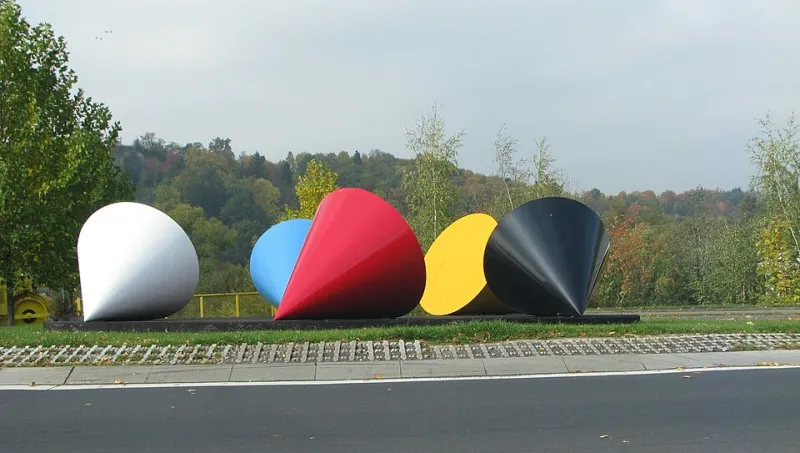
Photo: RudolfSimon, Public domain, via Wikimedia Commons
Let's kill a myth right up front: nobody is "naturally original." Not Picasso, not Prince, not that kid on TikTok who went viral drawing with a houseplant. What they had—or built—was a set of habits that made original output inevitable rather than occasional.
I've run a multi-disciplinary studio long enough to know that inspiration is a terrible business partner. It shows up late, leaves early, and never pays for gas. What follows are the five habits that actually keep the work coming out of D.G. Off Originals. Steal every single one. That's the whole point.
1. Resurrect Your Rejected Work
Every artist has a graveyard. Old files, abandoned canvases, half-finished demos that made you cringe by month three. Here's the move: the graveyard is not a graveyard. It's a supply closet.
Once a month, I dig up something dead—a rejected logo concept, a beat that went nowhere, a painting I abandoned—and I remake it with everything I've learned since. Nine times out of ten, the problem was never the idea. It was the execution, or the timing, or the fact that I didn't have the skills yet. Now I do.
Remixing your own failures is the cheapest originality there is. The idea was already yours. You're just giving it a second draft it deserved.
2. Build a Box, Then Work Inside It
Unlimited freedom is the enemy of original work. Tell an artist they can make anything, and they'll make a decision paralysis. Tell them they can only make something using two colors, a field recording of a laundromat, and 15 minutes, and suddenly they're an inventor.
Constraints are the oldest trick in the creative playbook for a reason. Some of my favorite pieces came from self-imposed rules so tight they felt like sabotage: a song built entirely from one guitar sample pitched around, a poster series using only typography found on highway signage between Nashville and Memphis. The constraint forces your brain off the paved road.
Try this week: pick three arbitrary rules before you start. Break exactly one of them. See what happens.
3. Ship the Imperfect Version Publicly
This one stings, so I'll be quick. The single biggest originality killer in America right now isn't lack of talent—it's the private draft that never sees daylight. The 47th revision. The "I'll post it when it's ready."
It will never be ready.
Shipping imperfect work publicly does two things. First, it builds the tolerance for criticism that every working artist needs. Second—and this is the underrated part—it teaches you what your work actually is. You don't know what you make until other people see it. The audience is a mirror, and perfectionism is a mirror covered with a bedsheet.
Post the sketch. Upload the rough mix. The internet will not end. I promise. I've tested this extensively.
4. Steal From Outside Your Medium
If you only look at art to make art, you'll make art that looks like everyone else's art. Same with music. The most original moves come from transplanting ideas across fields.
A graffiti artist I admire built an entire mural style from studying Midwestern grain silo paintings. I once structured a whole instrumental around the pacing of a diner menu—courses, pauses, the little section break before dessert. Sounds ridiculous. Made one of the best tracks I've ever released.
So read architecture blogs if you're a painter. Study film editing if you're a songwriter. Go to a car show if you're a graphic designer. The further the source material is from your field, the more original the result.
5. Keep a Boring, Relentless Schedule
Least sexy habit on the list, most important one. Original work is a volume game. The more pieces you make, the more chances for something genuinely new to surface. And volume only comes from schedule, not mood.
Mine is simple: make something—anything—before checking a phone every morning. Even ten minutes. Even garbage. The streak matters more than the output. Because the muse? She doesn't respect deadlines. But a habit does, and a habit will drag the muse along behind it whether she feels like showing up or not.
The Uncomfortable Truth to Close
Here's my honest-to-God opinionated take, and I'll die on this hill: waiting for inspiration is the least original thing a creative person can do.
Everyone waits for inspiration. It's the default setting. It's what every artist who quit was doing right before they quit. If originality is what you're after, the waiting itself is the thing to rebel against. The originals—the ones whose work actually lasts—showed up on the days it felt impossible, made the thing anyway, and let the quantity do the quality work over time.
So close this tab. Set a timer. Make the bad version of the thing.
The good version is hiding behind it, and it's not going to introduce itself.